
Re-Tire
Reducing tyre dust levels and micro-plastics in our waterways.
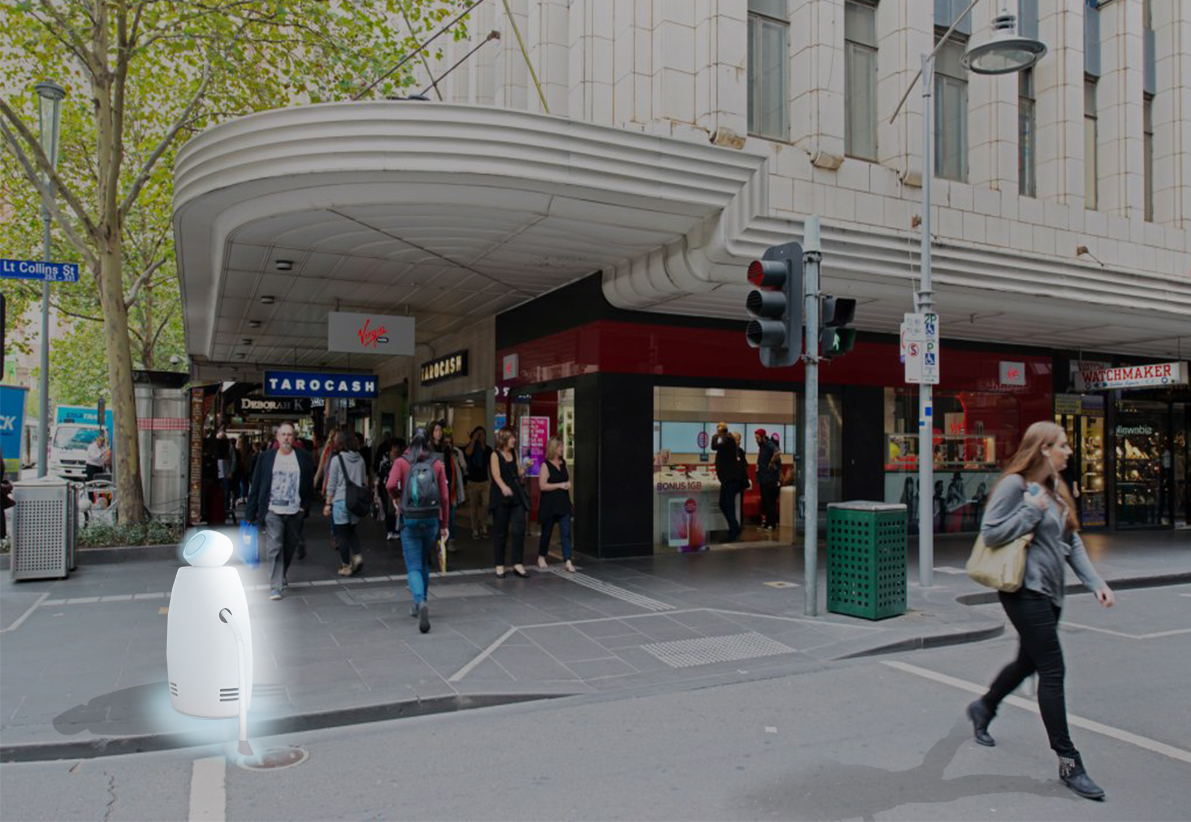
In this year’s CBI³ program, a team of DFM students tackled the United Nations Sustainable Development Goal 6 (Clean Water and Sanitation) and Goal 14 (Life below Water), by addressing the second-largest global source of microplastic, tyre dust. Using CERN technology, the team designed ReTire, a three-part system that addresses the problem from different angles, which are raising awareness of microplastic pollution, collecting airborne tyre dust and curbside cleaning.

THE TEAM


THE CHALLENGE
The CBI³ program is a yearly collaboration between DFM and Switzerland-based science organisation CERN’s Ideasquare lab, along with other partner institutions in the Design Factory Global Network. Students are challenged to use design innovation to develop solutions that connect technology with societal needs. The concepts are framed around a United Nations Sustainable Development Goal (SDG) and utilise the latest technologies developed by CERN.
This year, our team of students explored SDG 6 (Clean water and sanitation) & SDG 14 (life below water) and how it could relate to their local context of Melbourne, Australia. They were tasked with making connections between the SDG and the potential of CERN technology, and to develop a tangible solution with future strategies for long-term implementation throughout 2020, 2025 and 2030.
THE APPROACH
The team was tasked with identifying a local problem related to theUnited Nations Sustainable Development Goals concerning water and developing a solution to it by 2030 using CERN technology. The team identified microplastic pollution as a major issue and focused specifically on tyre dust-the second-largest global source of microplastics. When vehicles break or accelerate, the friction between the wheel and the road causes tyre dust to be released. This enters Melbourne water sources through run-off from roads, airborne particles, as well as through stormwater. Tyre dust contains 140 different chemicals, some of which have been linked to hormonal changes and cancer. Plastic also tends to adsorb pollutants to its surface, so it ends up carrying other toxins as well. Microorganisms easily mistake microplastics for food, causing these toxins to enter and bioaccumulate up our food chain.
THE SOLUTION
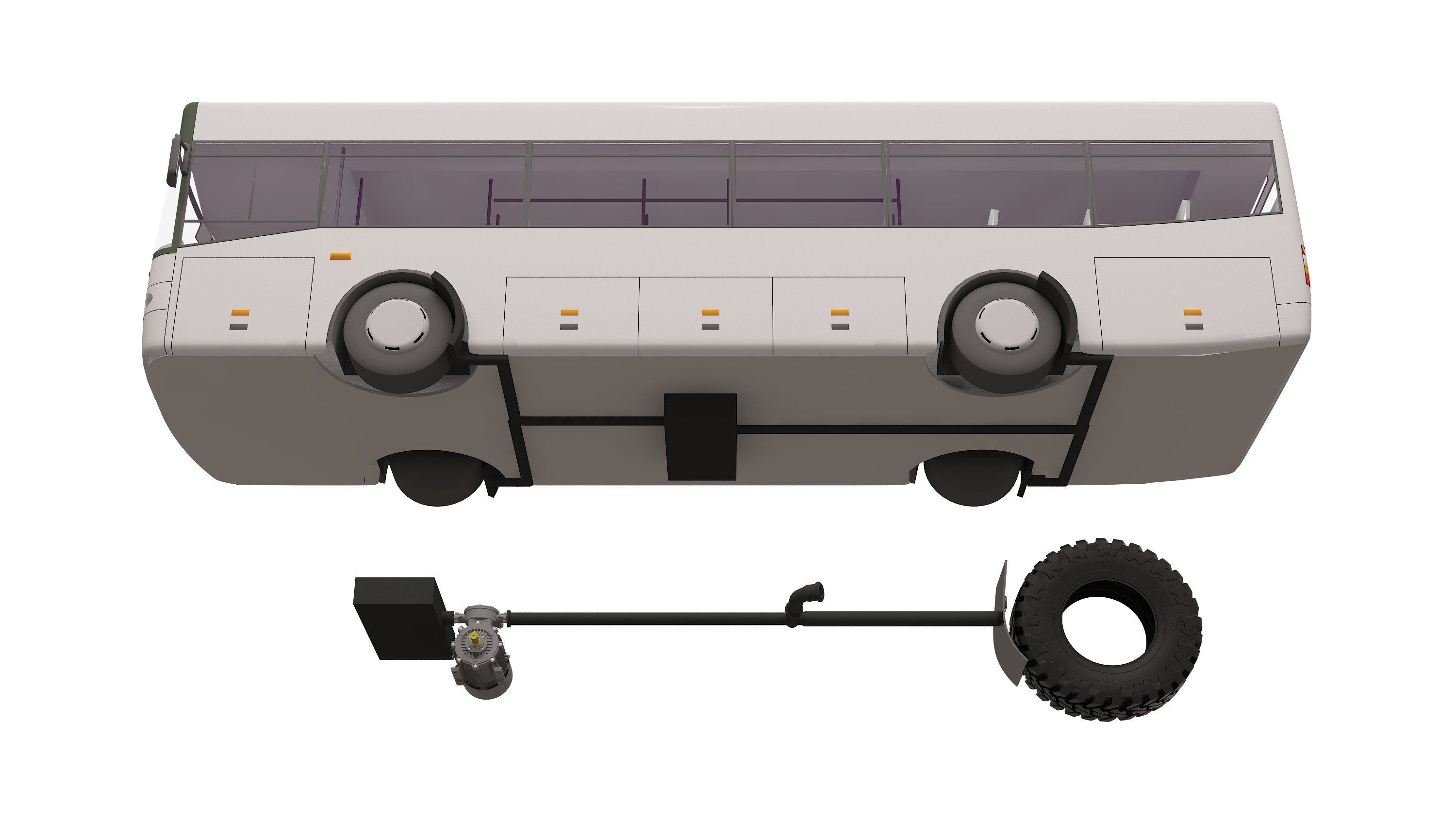
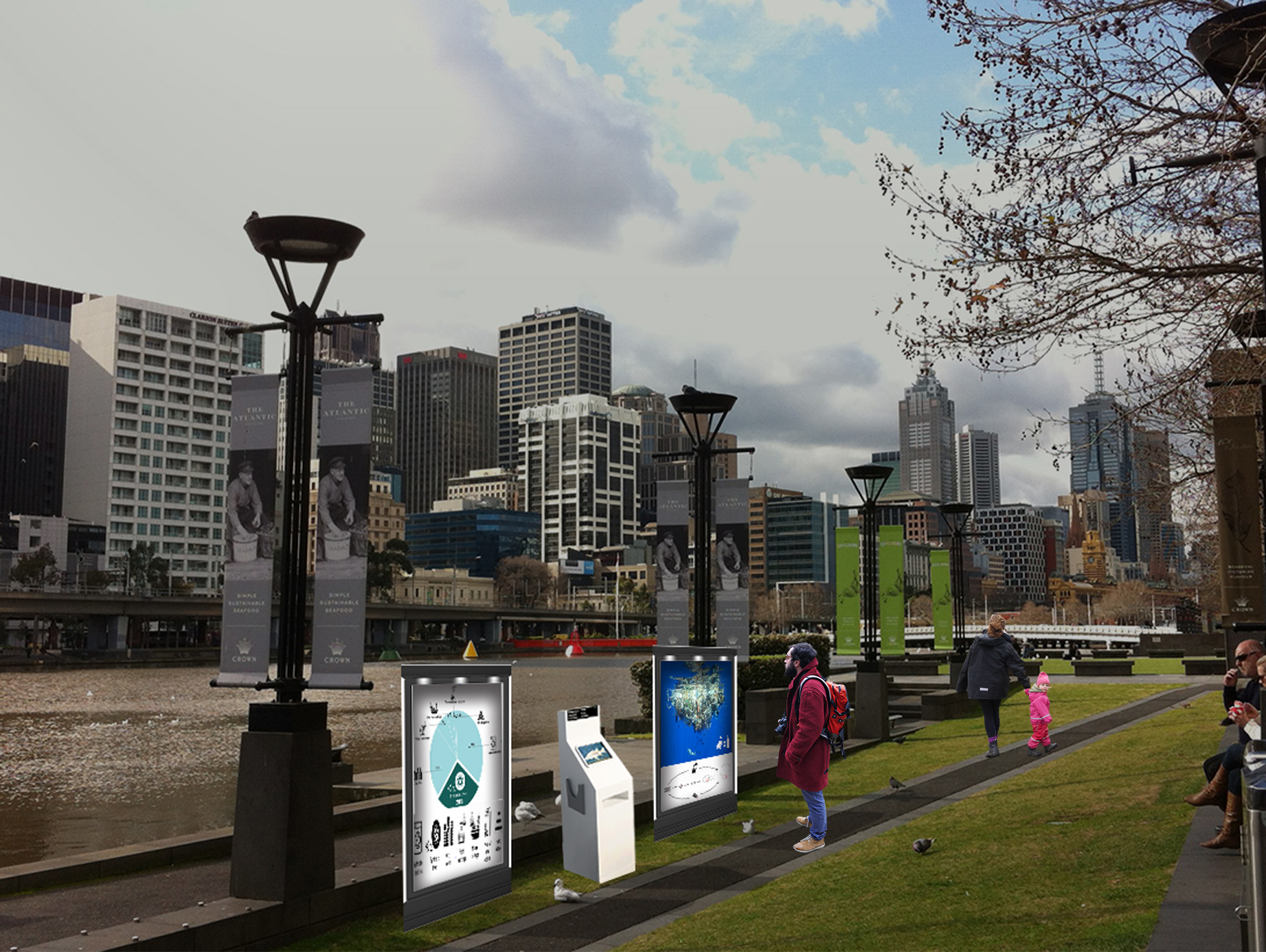
DFM students chose to focus on the second largest global source of microplastic, tyre dust, which contains over 140 chemicals and can be toxic when ingested. To combat tyre dust pollution the team proposed ReTire. ReTire consists of Scanley, a citizen science installation that collects data and raises awareness of microplastic pollution; Dustin, an electrostatic plate placed behind the wheels of electric trams and fleets that collects airborne tyre dust; and Kirby, an automated curbside cleaning robot that addresses the majority of tyre dust which settles on the road. These three interventions work to preserve a healthy ecosystem as people are more aware of microplastic pollution and the need to prevent it.